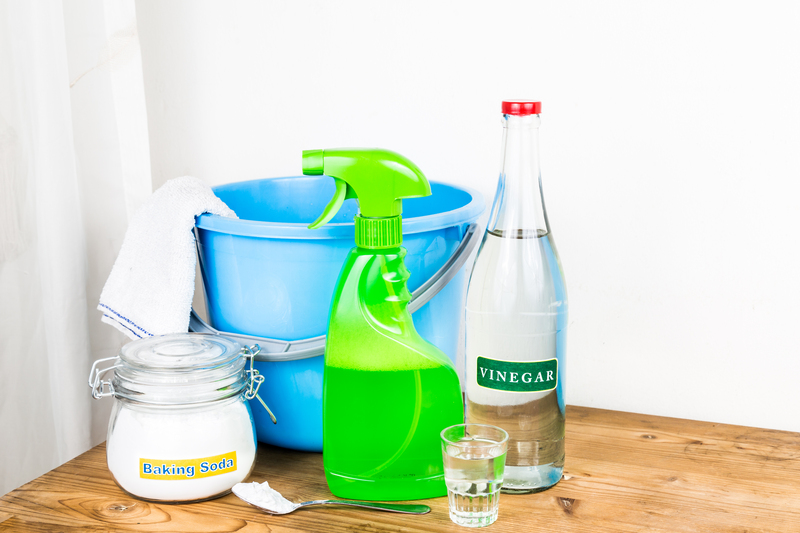
 Expert Tips for Hassle-Free Bathroom Cleaning
Cleaning your bathroom can be one of the most daunting house chores, but it doesn't have to be. With a few expert tips and strategic approaches, you can achieve a spotless bathroom with minimal effort.

Cleaning your bathroom can be one of the most daunting house chores, but it doesn't have to be. With a few expert tips and strategic approaches, you can achieve a spotless bathroom with minimal effort.
If you love to cook, then your oven is probably one of the most important appliances in your kitchen.
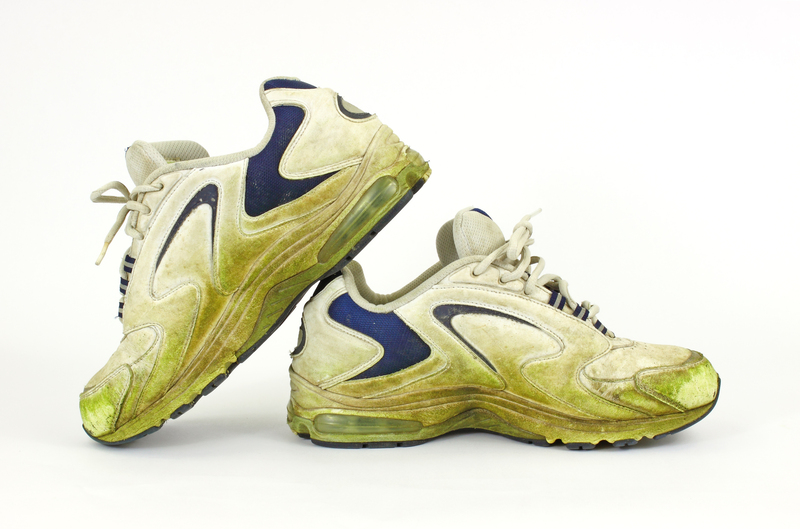 Changing Sheets Best Practices
 Changing bed sheets regularly is essential for maintaining good hygiene and ensuring a comfortable night's sleep. It may seem like a mundane task, but there's more to it than simply replacing old sheets with clean ones.
If you have ever experienced the frustration of trying to clean your toilet only to find stubborn mineral deposits and stains, you are not alone.
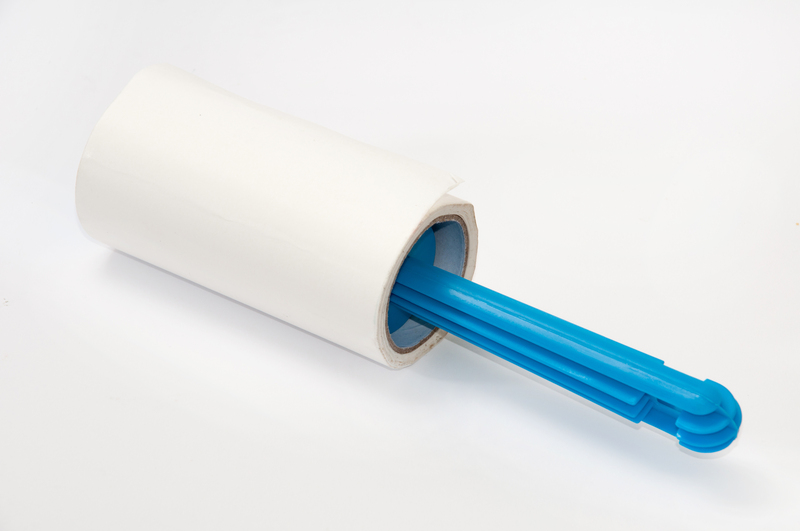 Mildew in Wool Rugs: Solutions
 Wool rugs are a prized possession for many homeowners due to their softness, durability, and luxurious appearance.
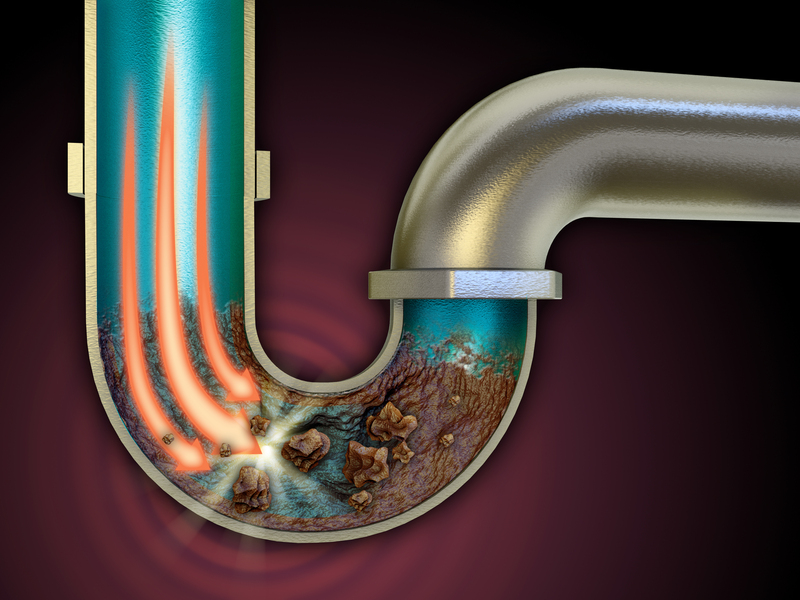 The Impact of Cleaning on Mental Health
 Living in an environment that is clean and organized can have a profound impact on your mental health.
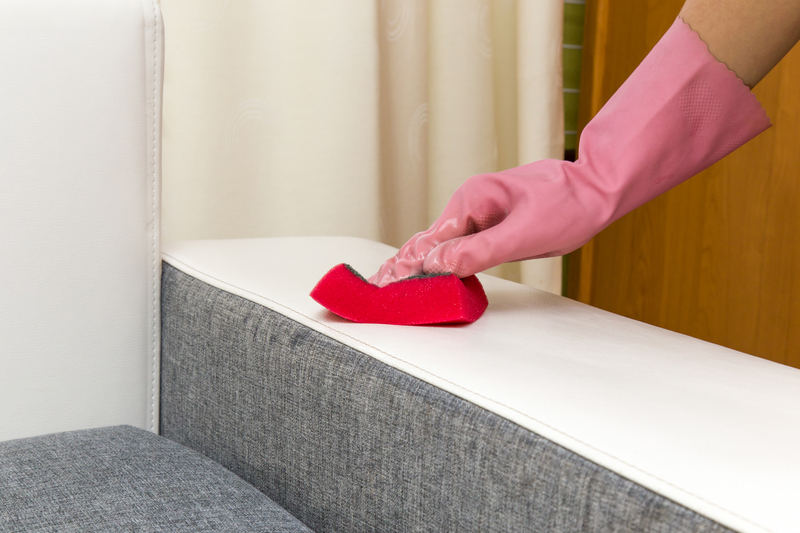 Carpet Crafted for Pet Durability
 As cherished members of the family, pets bring joy, companionship, and an occasional mess into our homes.
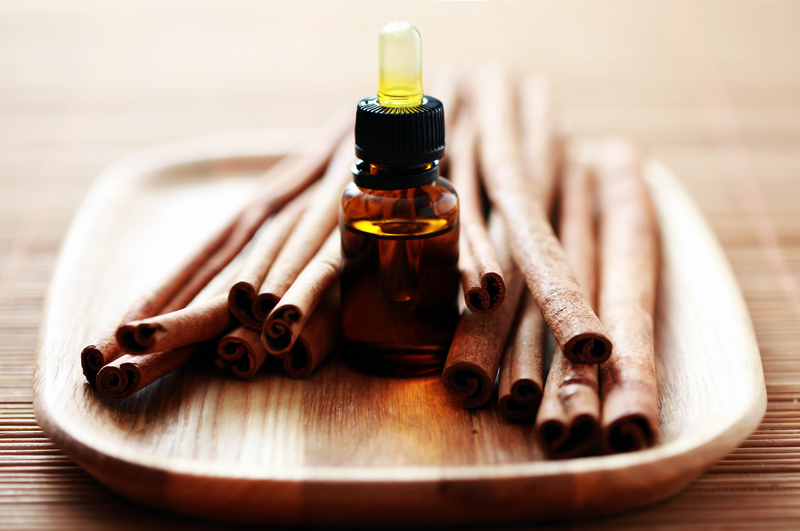 How to Effectively Clear Tough Stains
 Stains can be the bane of our existence, disrupting the pristine nature of our favorite clothing, upholstery, and carpets.
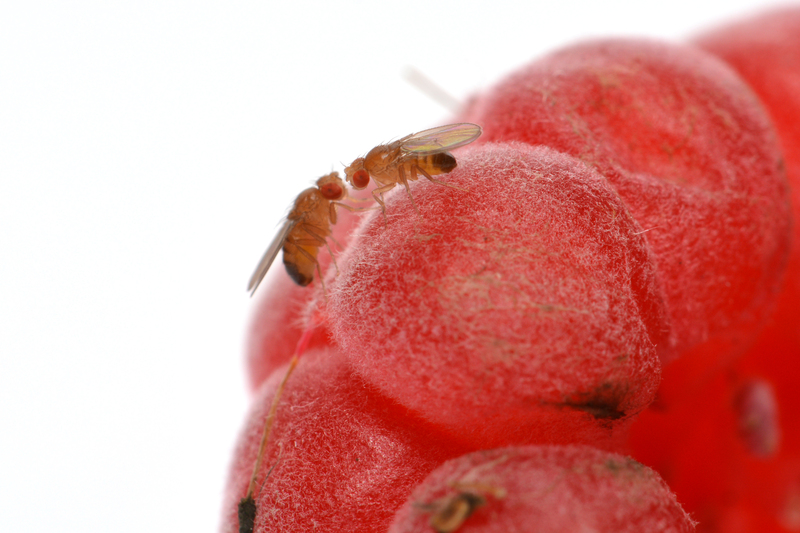 Furniture Cleaning Tips for Everyone
 Keeping your furniture clean is crucial for maintaining a neat and healthy home environment. Regular cleaning helps prolong the life of your furniture and keeps it looking new.
 Myth-Busting Household Cleaning
 Cleaning your home can be a daunting task, particularly when you're bombarded with a plethora of cleaning myths and misconceptions.
 Ammonia Mix for Streak-Free Windows
 Windows are the eyes to the world outside, and keeping them clean can significantly enhance the appearance and feel of your home. One of the most effective solutions for achieving streak-free windows is an ammonia mix.
Window screens are an important part of any home, providing protection from insects and allowing fresh air to flow through.


 A Gleaming Finish: Tried and True Methods for Banishing Grease from Your Oven
 Say Goodbye to Hard Water Troubles in Your Toilet
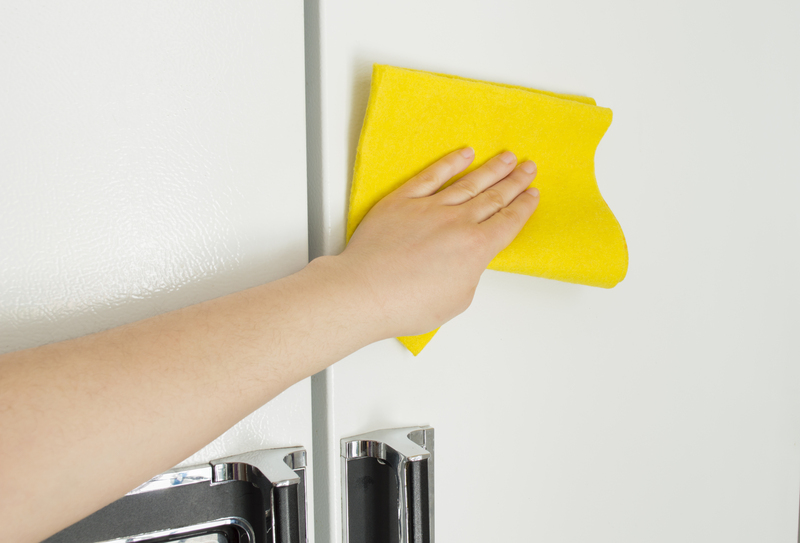 Getting Rid of Gunk: Simple Strategies for Cleaning Your Window Screens
